The patient who taught me the most about tendon injuries was a distance runner who walked into clinic on her toes. She could not let her heel touch the ground without a sharp pull rising up her calf. She had run through a dull ache for three months, taped her ankle, swapped shoes twice, and iced every night. The MRI finally told the story, a partial tear of the Achilles with tendinopathy along the central third. We got her back to the start line, not by magic, but through a plan built on anatomy, biomechanics, and timing. This guide distills the approach I use every week as a foot and ankle repair specialist.
What makes tendons in the foot and ankle vulnerable
Your foot and ankle pack more than two dozen joints and a complex web of tendons into a compact space. Tendons move the system, transferring muscle force to bone. Their job is simple, the demands are not. Every step, jump, or pivot loads these tendons with forces that can reach multiple times body weight.
Five tendons drive most of the trouble I see:
- Achilles tendon. The workhorse for push off. It tolerates high loads but has a watershed zone in the midportion with lower blood flow. That zone is where chronic degeneration builds and partial tears tend to occur. Posterior tibial tendon. The key dynamic support for the arch. It helps invert the foot and stabilize the midfoot. When it weakens or tears, the arch sags and the hindfoot drifts into valgus. Peroneal tendons, longus and brevis. They evert the foot and stabilize the lateral ankle. They can sublux or tear around the fibula, especially with chronic ankle sprains or a shallow fibular groove. Flexor hallucis longus, FHL. The dancer’s tendon. It powers the big toe and helps with push off. It runs through a tight tunnel behind the ankle and can catch or scar. Flexor digitorum longus, FDL. Smaller but often recruited in reconstruction when the posterior tibial tendon fails.
Each tendon sits in a bony and ligamentous corridor that influences friction, gliding, and stress. Foot structure, from cavus to flatfoot, changes how these tendons load. Calf tightness shifts torque to the Achilles and plantar structures. Training spikes outpace tendon remodeling, which lags behind muscle by weeks. Age and metabolic health matter too. Diabetics, people with high cholesterol, and smokers face slower healing and higher complication risk.

How tendon injuries present, patterns I watch for
Most patients do not show up saying I tore my tendon. They report location, behavior, and triggers.
Achilles problems cluster into midportion pain four to six centimeters above the heel, or insertional pain right at the heel bone. Midportion tendinopathy feels like a ropey ache in the morning and with uphill running. Insertional pain flares with stairs, seated heel raises, and stiff shoes that dig into the heel. An acute Achilles rupture is different. A pop, a gap, a sense that someone kicked the calf, then a flat tire when trying to push off.
Posterior tibial tendon issues start with medial ankle pain and fatigue, often worse with long walks or uneven ground. Shoe wear shows more collapse on the inside edge. Over time the arch flattens and the ankle tilts. Patients notice difficulty doing a single leg heel rise on the affected side.
Peroneal tendon pathology sits behind the fibula or along the lateral foot. I hear snapping, a history of multiple ankle sprains, or pain with side to side cuts. The brevis commonly tears at the level of the fibula. The longus can irritate the base of the first metatarsal or the cuboid tunnel.
FHL trouble presents behind the ankle with pain on push off, sometimes locking or a catch as the big toe flexes. Ballet dancers and soccer players provide classic examples, but I also see it in runners with long strides and tight calves.
The exam that answers the key questions
A careful exam narrows the problem quickly. I start with alignment, rearfoot to forefoot. A neutral heel, a valgus heel, a cavus heel, each points to different loading patterns. I watch a double and single leg heel rise. Collapsing into valgus with pain on the inside of the ankle makes posterior tibial tendon dysfunction likely. Limited dorsiflexion with the knee straight compared to bent signals gastrocnemius tightness, a common driver.
Palpation maps pain. A tender ropey spot in the mid Achilles differs from a painful swollen insertion. Pain right behind the fibula that increases with resisted eversion fits a peroneal tear. Pain with big toe flexion against resistance pinches the FHL in its groove.
Special tests matter. The Thompson test for Achilles rupture is reliable. If squeezing the calf does not plantarflex the foot, think rupture until proven otherwise. An inversion stress test helps tease out lateral ligament laxity that can accompany peroneal pathology. I check for swelling, warmth, and nodules along the tendon, not just tenderness.
Imaging, when and why
I do not image every tendon at the first visit. The history and exam often point to a safe, effective plan. When I need more detail, ultrasound and MRI lead the way.
Ultrasound excels at dynamic assessment. I can see peroneal subluxation as the patient actively moves, and I can assess tendon thickness, Doppler flow, and partial tears at the mid Achilles. It is operator dependent, but in skilled hands it is excellent and immediate.
MRI shows edema patterns, precise tear location, and associated joint or bone pathology. I use it for chronic cases that fail care, suspected partial thickness Achilles tears, posterior tibial tendon tears with stage progression, and preoperative planning. It guides graft choices and confirms the health of neighboring tendons before transfers.

X rays still matter. They show calcific insertional spurs on the Achilles, alignment in flatfoot, and base of fifth metatarsal avulsions where peroneus brevis anchors.
Choosing nonoperative or operative care
As a foot and ankle surgery expert, my first job is not cutting, it is decision making. Tendons heal, remodel, and adapt if given the right load at the right time. Surgery enters when structure is lost, function is blocked, or pain persists despite well executed nonoperative care.
Acute Achilles ruptures sit at the center of this decision. Both nonoperative functional rehab and operative repair can succeed. The re rupture rates in recent literature are close, with nonoperative rates in the 3 to 6 percent range and operative rates around 2 to 4 percent when early functional rehab is used. Operative repair can offer slightly lower re rupture rates and a quicker return to push off strength in some cohorts, but it carries wound risks, sural nerve injury, and infection. Patient factors drive my recommendation. High demand athletes, younger patients, and those with large gaps on imaging tend to favor repair. Older, lower demand patients, or those with high wound risk may do better with a nonoperative pathway.
Posterior tibial tendon dysfunction follows stages. Stage 1 is tendon inflammation without deformity. Stage 2 adds flexible flatfoot, stage 3 becomes rigid, and stage 4 involves the ankle. Stage 1 and early stage 2 often respond to immobilization, custom orthoses, calf flexibility work, and strengthening that targets inversion and intrinsic support. Advanced stage 2 with tears and collapse, and stages 3 to 4, usually require reconstruction.
Peroneal tendon tears can heal with immobilization if small and within the tendon substance. Longitudinal splits of the brevis at the fibula level often catch and persist. Subluxation from a torn retinaculum tends not to settle without surgical stabilization.
FHL triggers inside the posterior ankle can improve with rest, technique modifications, and manual therapy. Stenosing nodules or bony conflicts that block motion may need release.
Nonoperative treatment done well
Boots, braces, orthoses, and a skilled physical therapy program make up the backbone of conservative care. Execution matters.
For midportion Achilles tendinopathy I rely on a progressive loading program built around slow, controlled heel raises. Eccentric loading got famous first, but combined concentric and eccentric loading with tempo control works well. I start with body weight on flat ground, progress to bent knee and straight knee variations, then add load by a backpack or smith machine. Three to four sets, four to five days a week, over 12 weeks is a realistic arc. Pain during the set can be acceptable if it is no more than a five out of ten and settles within a day. I avoid aggressive stretching early. Calf flexibility is important, but hard stretching into a degenerative tendon irritates it. Slant board work comes later, gentle and progressive.
For insertional Achilles tendinopathy I adjust the program to avoid end range dorsiflexion. I keep the heel slightly elevated, use heel lifts, and avoid dropping below neutral on heel raises for the first month. Rubbing directly on the bony spur with a stiff heel counter shoe prolongs symptoms. Soft heel counters or open back shoes can help during rehab.
Posterior tibial tendon issues ask for two things, unload the tissue and retrain it. A custom ankle foot orthosis or a well fit UCBL orthotic that cups the heel and supports the arch reduces daily strain. We then build inversion strength and endurance, teach the foot tripod, and retrain single leg balance. Calf and hamstring flexibility matter because a tight posterior chain pushes the foot into pronation and overloads the tendon. In stubborn cases, a short period in a boot calms it down enough to start.
Peroneal tendons calm with lateral posting in orthoses for cavus feet, a stirrup brace for work, and controlled eversion strengthening with high repetition sets. Avoiding banked surfaces and side hill trails makes a bigger difference than people expect. Technique matters again, if the ankle rolls repetitively due to laxity, we address the ligaments too.
For FHL, technique tweaks often help dancers within days. We reduce repeated forced plantarflexion en pointe, mobilize the retrotalar pulley with manual therapy, and load the calf complex progressively.
Topicals and biologics draw a lot of attention. Nitroglycerin patches can modestly help pain in some tendinopathies but often irritate the skin and cause headaches. Platelet rich plasma has mixed data in Achilles and peroneal disease. I discuss it as an option when standard loading programs fail after three to four months, but I do not sell it as a guarantee. Corticosteroid injections around tendons can calm synovitis, but inside a tendon they are risky. I do not inject the Achilles tendon. Around the peroneals or posterior tibial tendon sheath, a small, well targeted dose can break a pain cycle if mechanical issues are addressed at the same time.
Operative strategies, what actually happens in the operating room
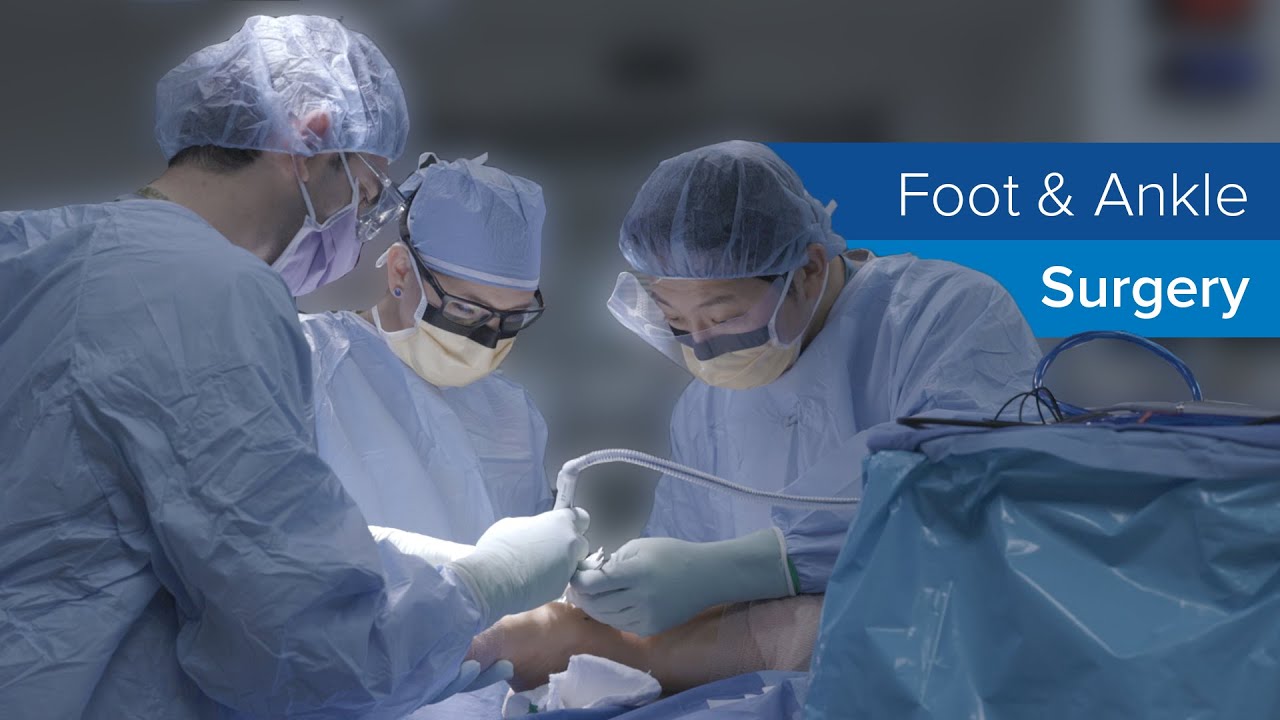
When we operate on tendons, we try to restore structure, reduce friction, and optimize the line of pull.
Achilles repair for acute rupture involves aligning the torn ends and securing them with sutures, sometimes augmented with a small anchor at the heel if the tear is near the insertion. Incisions can be midline posterior or posteromedial. Minimally invasive approaches use small incisions and suture passing devices to reduce wound problems, but they can put the sural nerve at more risk if landmarks are not respected. In chronic ruptures with a gap greater than about three centimeters, I use a V to Y lengthening of the calf fascia, a turn down flap, or a flexor hallucis longus transfer to bridge the gap. FHL transfer shares the push off load and has a favorable line of pull.
For insertional Achilles disease with a large spur and degenerated distal tendon, I debride the diseased portion, remove the bone spur, and reattach the tendon to the calcaneus with anchors. Protecting the skin at the back of the heel is a constant focus. Wound healing in this area is slow, so I counsel patients carefully on timelines.
Posterior tibial tendon reconstruction depends on stage. In early tears, I clean the sheath and repair the tendon directly. In stage 2 with poor tendon quality and deformity, I often transfer the flexor digitorum longus to the navicular to substitute for the posterior tibial tendon, then correct alignment with a calcaneal osteotomy that shifts the heel under the leg. Sometimes I add a spring ligament repair or augmentation. The combined procedure addresses both the engine and the chassis.
Peroneal procedures range from retinaculum repair and groove deepening to direct debridement and tubularization of the brevis. If the brevis is split badly and not salvageable, the longus can be tenodesed to the brevis to balance forces. In athletes with recurrent subluxation, bony groove deepening reduces the chance of recurrence.
FHL surgery targets the pulley where the tendon sticks. A limited release behind the ankle frees the tendon to glide. If there is a bony conflict at the back of the talus, we can shave it arthroscopically through two small portals. Dancers often return to full performance after a structured rehab that respects tissue healing and retraining.
Complications, trade offs, and how to hedge against them
Nothing in surgery is free. Wound problems after Achilles surgery, especially in smokers, diabetics, or those with thin posterior skin, can drag on for months. I minimize incision tension, handle tissue gently, and avoid early aggressive dorsiflexion. Nerve irritation along the sural nerve or the saphenous nerve shows up as numbness or burning. It usually improves, but prevention beats treatment.
Deep venous thrombosis risk after foot and ankle surgery is real, especially in immobilization. I stratify risk and use chemical prophylaxis when indicated. I also push early ankle pumps and mobility of the toes and knee.
Re rupture is rare but devastating. Early rehab protocols must respect the suture line. Strong repairs help, but biology still needs time. I use a protected range of motion boot and specify angles and weeks. Patients who overachieve on their own at week two often set themselves back at week six.
Rehabilitation, timelines that match biology
A good rehab plan starts in clinic before any procedure. We set expectations in weeks, not days, and we tie milestones to function rather than the calendar alone. The numbers here reflect a common arc for Achilles repair. Other tendons follow similar principles but with different speed limits.
- Weeks 0 to 2. Boot locked in plantarflexion, foot protected weight bearing in the boot if the repair is strong and swelling is controlled. Gentle toe curls and isometrics of the quads and glutes. Elevation higher than the heart to manage swelling for at least two weeks. Weeks 2 to 6. Gradual increase of dorsiflexion toward neutral within the boot using heel wedge removal. Begin seated active plantarflexion to neutral, no resistance. Stationary bike with the boot if comfortable. Normalize gait in the boot before thinking about shoes. Weeks 6 to 12. Transition to a shoe with a heel lift. Start double leg calf raises to the floor, progress to single leg when symmetric and pain allows. Add balance work. No plyometrics yet. Tendon responds to load, so track discomfort and back off if it lingers beyond 24 to 48 hours. Months 3 to 6. Build calf strength to at least 90 percent of the other side by handheld dynamometer or repetitions to fatigue. Introduce gentle jogging on flat surfaces when single leg heel raises are pain free and controlled. Begin light plyometrics near month four or five if strength and control are adequate. Months 6 to 9. Sport specific work, cuts, and sprints for field athletes, barre and pointe progression for dancers, hill work later for runners. Full return varies. Sprinters and jumpers often need closer to nine months.
Posterior tibial and peroneal reconstructions follow similar phases with added attention to alignment, footwear, and intrinsic foot strength. Dancers after FHL release progress faster with careful control of en pointe work. The best predictor of return to performance is not the calendar, it is a series of objective checks like single leg heel raises, hop testing, and tolerance of consecutive training days.
When to see a foot and ankle surgical physician
Most tendon pain can start with smart self care. Some findings need a prompt assessment by a foot and ankle surgery doctor.
- A pop in the back of the ankle, followed by weakness and trouble pushing off. Medial ankle pain with a collapsing arch and trouble with a single leg heel rise. Recurrent snapping on the outside of the ankle, especially after sprains. Heel pain that does not improve after six to eight weeks of modified activity and structured loading. Numbness, redness, fever, or severe swelling after an injury.
If you are searching for a foot and ankle surgical physician near me or a foot and ankle repair surgeon near me, look for a clinic where nonoperative and operative care are both strong. A foot and ankle surgery team that can evaluate, plan, and deliver a full spectrum of care will help you avoid unnecessary procedures and avoid delays when surgery is the right call.
Footwear, training, and the quiet drivers of tendon trouble
Shoes do not cause or cure tendinopathy, but they can shift load. Runners with insertional Achilles pain often improve when they move from a low drop shoe to a moderate drop, at least during rehab. Minimalist shoes demand strong calves and an adaptable Achilles. They are tools, not badges. Transition slowly over months, not weeks, if you choose to use them.
Orthoses are not forever for everyone. In posterior tibial tendon dysfunction, a custom device can serve as scaffolding while we build muscle and correct habits. In later stages, an ankle foot orthosis may become long term equipment, much like glasses for vision. With peroneal pathology in a cavus foot, a lateral wedge under the heel reduces inversion torque and calms overuse.
Training errors hide in plain sight. Big jumps in volume or intensity, hills after time off, and speed work layered on top of fatigue, these patterns show up in history again and again. Tendons adapt slowly. A good rule is to change one variable at a time, by about 10 percent per week, and respect the lag between stronger muscles and slower tendons. Calf strength benchmarks help. I like to see 25 to 30 pain free single leg heel raises with good form on each side before heavy plyometrics return.
Special populations and edge cases
Diabetes alters collagen cross linking and blood flow. Glycemic control improves healing. I time elective surgery after an A1c has improved toward target, and I discuss wound risks plainly. Statin use and fluoroquinolone antibiotics have been associated with tendon problems. I do not advise patients to stop statins without coordination with their primary physician, but I do factor these medicines into risk and monitoring.
Smokers face higher wound complication rates. Every foot and ankle surgical consultant knows the talk by heart. It is blunt because it matters. Stopping smoking weeks before surgery reduces risk. Vaping is not a safe pass.
Older athletes get tendon injuries too. I see pickleball Achilles ruptures weekly now. They often occur when a deconditioned calf is asked to sprint off a static base. Warm ups and gradual progression help, but so does year round strength work. Walking alone does not maintain tendon capacity for quick sports.
Ballet dancers and gymnasts carry unique demands. Technique changes, load management around performance cycles, and communication with coaches turn around stubborn FHL and posterior ankle issues. A foot and ankle surgical therapist who speaks their language can make the difference.
What recovery feels like, and how we judge success
Tendon rehab is not linear. Most patients feel better in bursts, then plateau, then jump again. Morning stiffness lingers longer than daytime pain. Swelling hangs around for months after surgery, especially at the end of the day. That does not signal failure. We track function to stay honest. Can you do 20 single leg heel raises with control. Can you hop in place 30 times without pain the next day. Can you walk briskly for 30 minutes on consecutive Jersey City NJ foot and ankle surgeon days without flare. These waypoints start to matter more than MRI signal or ultrasound thickness once healing is underway.
Return to running or sport is a shared decision. I clear based on strength symmetry within 10 percent, no swelling that persists beyond 24 hours after hard sessions, and clean mechanics when we film from behind and the side. For Achilles repair patients, many return to steady state running by four to five months, but true top speed and pop may take closer to nine to twelve months. Telling the truth early prevents frustration later.
Two brief cases that illustrate the spread
A 42 year old recreational basketball player arrived two days after feeling a snap while planting to push off. He had a positive Thompson test, a palpable gap, and a swollen calf. We discussed options. He chose operative repair due to a physical job and his desire to return to cutting sports. We used a small posterior medial incision, protected the sural nerve carefully, and repaired with a strong locking suture technique. His milestones were steady, weight bearing in a boot at two weeks, shoes at seven weeks with a lift, jogging at four months, and a return to full court play at eight and a half months. He did not miss a DVT prophylaxis dose and took wound care seriously. That diligence showed.
A 58 year old teacher came in with months of medial ankle pain and a flattening arch. She could not perform a single leg heel rise on the left. MRI showed a degenerative posterior tibial tendon with partial tearing and spring ligament attenuation. Nonoperative work helped her pain but not her deformity or endurance. We proceeded with a flexor digitorum longus transfer, spring ligament augmentation, and a medializing calcaneal osteotomy. Her alignment improved immediately. She used a boot for six weeks, transitioned to a shoe with orthotic support, and by six months she was walking three miles comfortably. She opted to keep a supportive orthosis long term for long days. A foot and ankle surgical reconstruction doctor planned and executed the full arc, not just the operating room hour.
Finding the right partner for care
Expert care is not about the fanciest scan or the flashiest device. It is about matching the problem to the simplest effective solution, then executing each step with discipline. Whether you seek a foot and ankle repair specialist, a foot and ankle operative surgeon, or a foot and ankle surgery consultation doctor, ask how often they treat your specific problem, what their nonoperative protocols look like, and how they measure outcomes. If you need a second look, a foot and ankle second opinion surgeon can confirm the plan or offer a clear alternative. Good teams include a foot and ankle surgical care doctor, experienced therapists, and a support staff that guides equipment and scheduling. For many, searching for a foot and ankle surgical provider near me is the first click. The next step is a conversation that makes the path forward feel logical and achievable.
Tendons reward patience and precision. Apply the right load at the right time, and they come back stronger. Push too fast, or ignore alignment and habits, and they remind you who is in charge. The goal is not just to heal, it is to move with confidence again.
Expert Guide from a Foot and Ankle Repair Specialist on Tendon Injuries English Professional foot and ankle surgery doctor,foot ankle surgery specialist,foot and ankle surgical physician,foot and ankle operative surgeon,foot and ankle surgery expert,foot and ankle surgical consultant,foot and ankle surgery provider,foot and ankle surgery professional,foot and ankle surgery clinic doctor,foot and ankle surgery practitioner,foot and ankle operative specialist,foot and ankle surgical care doctor,foot and ankle surgery team,foot and ankle surgical services doctor,foot and ankle repair surgeon,foot and ankle correction specialist,foot and ankle surgery consultant,foot and ankle surgical therapist,foot and ankle surgical provider near me,foot and ankle reconstruction doctor,foot and ankle repair specialist,foot and ankle operation specialist,foot and ankle surgery physician near me,foot and ankle surgical physician near me,foot and ankle surgery consultation doctor,foot and ankle surgical consultation specialist,foot and ankle surgery expert near me,foot and ankle procedure doctor,foot and ankle procedure specialist,foot and ankle operative care specialist,foot and ankle surgery solutions provider,foot and ankle surgery clinic specialist,foot and ankle surgical treatment doctor,foot and ankle surgical intervention specialist,foot and ankle surgical assessment doctor,foot and ankle surgical evaluation specialist,foot and ankle surgery care expert,foot and ankle surgery management specialist,foot and ankle surgery planning doctor,foot and ankle surgical diagnosis specialist,foot and ankle surgical review doctor,foot and ankle surgical correction doctor,foot and ankle surgical repair doctor,foot and ankle surgical restoration specialist,foot and ankle structural surgeon,foot and ankle alignment surgeon,foot and ankle biomechanical surgeon,foot and ankle functional surgeon,foot and ankle mobility surgeon,foot and ankle stability surgeon,foot and ankle joint repair surgeon,foot and ankle soft tissue surgeon,foot and ankle cartilage repair surgeon,foot and ankle nerve decompression surgeon,foot and ankle nerve surgery specialist,foot and ankle nerve repair surgeon,foot and ankle tendon repair specialist,foot and ankle ligament reconstruction surgeon,foot and ankle surgical reconstruction doctor,foot and ankle trauma surgeon,foot and ankle trauma specialist,foot and ankle injury repair surgeon,foot and ankle post injury surgeon,foot and ankle surgical recovery specialist,foot and ankle revision surgeon,foot and ankle revision surgery specialist,foot and ankle second opinion surgeon,foot and ankle specialist for surgery,foot and ankle surgical care expert near me,foot and ankle surgery specialist near me,foot and ankle surgical expert near me,foot and ankle surgeon consultation near me,foot and ankle surgery consultation near me,foot and ankle surgical care near me,foot and ankle operative doctor near me,foot and ankle surgical doctor near me,foot and ankle reconstruction surgeon near me,foot and ankle trauma surgeon near me,foot and ankle repair surgeon near me,foot and ankle nerve surgeon near me,foot and ankle ligament surgeon near me,foot and ankle tendon surgeon near me,foot and ankle revision surgeon near me,foot and ankle surgery provider near me,foot and ankle surgical consultant near me,foot and ankle surgical specialist consultation,foot and ankle surgery expert consultation,foot and ankle surgery planning specialist,foot and ankle surgery evaluation doctor,foot and ankle surgery diagnosis specialist,foot and ankle surgery care provider,foot and ankle surgery professional near me,foot and ankle surgery expert provider,foot and ankle surgery team specialist,foot and ankle surgical service provider,foot and ankle surgery advanced specialist,foot and ankle surgery clinical specialist